The world’s biggest foreign IPO has arrived on the Nasdaq. Here’s why investors are paying attention, and how Superhero customers can get exposure.
AI has become one of the biggest investing stories of the past few years, and SK Hynix is right at the centre of it.
As noted by major news organisations including CNN, the South Korean memory chip maker, SK Hynix, has just made history with the one of the largest U.S. listings ever by a foreign company. On 10 July 2026, it debuted on the Nasdaq under the ticker SKHY, raising US$26.5 billion through its ADR listing before opening more than 15% above its issue price – adding to a significant year of public market debuts (IPOs) in this 2026.
For Australian investors, that’s more than just a headline. It creates a new way to invest in one of the companies helping power the AI boom. So what is the differences between buying the newly U.S.-listed shares and investing through a broader Korea ETF?.
Here’s what you need to know.
Why everyone’s talking about SK Hynix
SK Hynix is the world’s second-largest memory chip maker, behind Samsung Electronics. More importantly, it’s become one of the biggest winners from the AI boom.
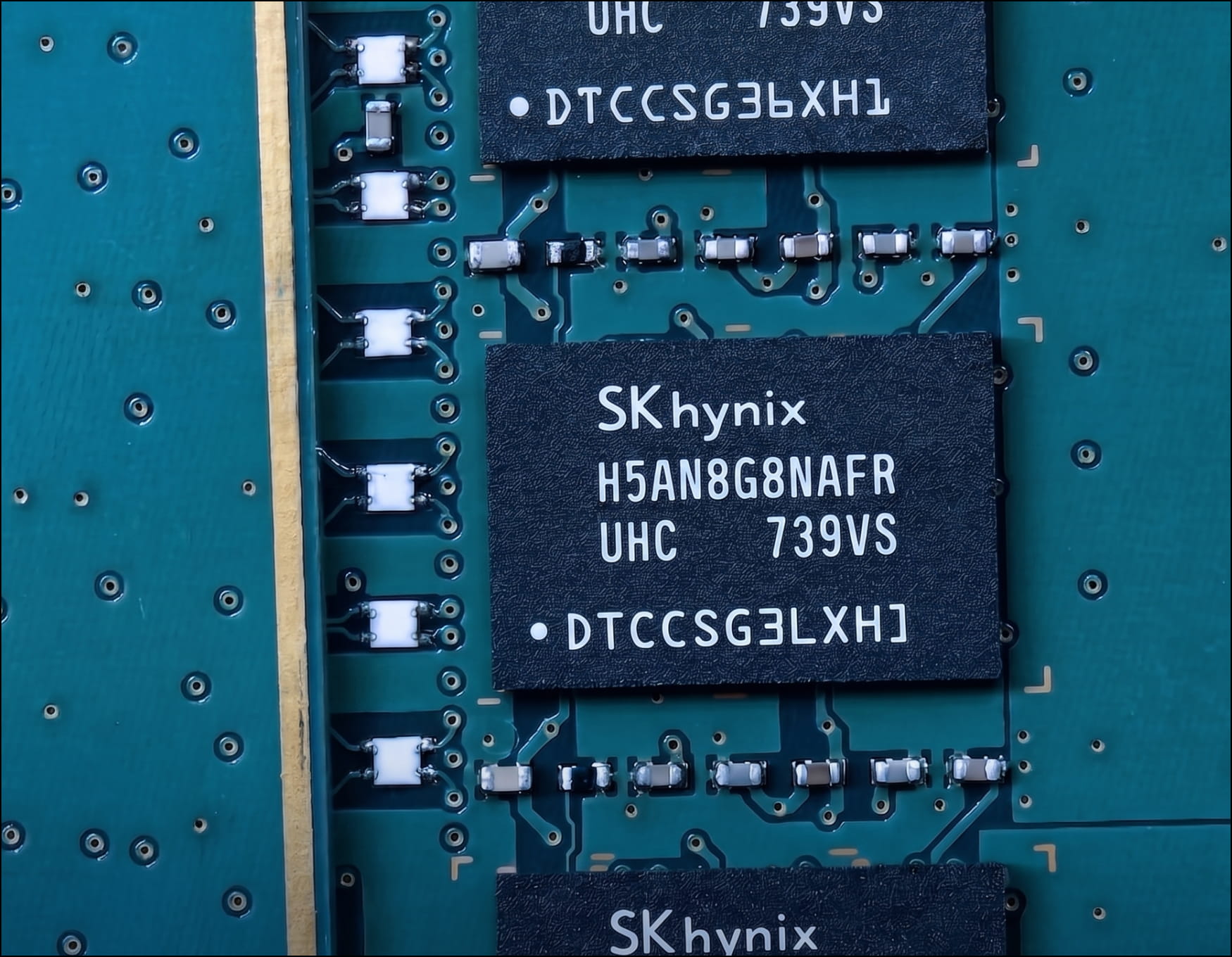
The company controls more than half the global high-bandwidth memory (HBM) market, the specialised chips that work alongside processors like Nvidia’s in AI servers and data centres. Its broader memory portfolio also includes DRAM and flash memory products that underpin demand across AI and enterprise hardwares.
It’s also Nvidia’s largest memory supplier, helping fuel demand for the infrastructure behind today’s AI models. Sales of server DRAM and SSDs are also supporting revenue as data centres scale.
That success has been reflected in its share price. SK Hynix shares have climbed more than 250% over the past year, and in May 2026 the company became just the third Asian business to pass a US$1 trillion market capitalisation, joining TSMC and Samsung.
That doesn’t mean the path ahead is guaranteed.
AI memory demand is expected to continue for several years, and financial momentum is also being supported by strong HBM sales and improving NAND storage demand. Samsung and Micron are investing heavily in their own next-generation HBM technology. If they close the technology gap, SK Hynix could face more competition, lower pricing power and pressure on margins, even if demand for AI continues to grow.
A record-breaking debut on Wall Street
SK Hynix priced its U.S. offering at US$149 per ADR, raising US$26.5 billion in what became the biggest IPO ever completed by a foreign company in the United States.
Investor demand was strong. The offer was more than seven times oversubscribed.
The stock opened around US$170, more than 15% above its issue price, lifting the company’s market value to around US$1.25 trillion, and the ADRs still closed 13% higher on their first trading day.
SK Hynix shares later fell 4.4% after the Nasdaq debut, highlighting some early volatility around the listing.
The funds raised will be used to expand HBM production and advanced chip packaging as the company works to keep up with AI-driven demand.
SK Hynix’s share price has come a long way over the past year, but its forward earnings multiple still sits below some U.S. peers, including Micron. That’s part of the investment case for the U.S. listing, with some investors expecting a broader shareholder base could help narrow that gap over time. Even so, the market is still expecting strong growth from here, which means the company will need to keep delivering to justify those expectations.
What’s an ADR (American Depositary Receipt)?
An ADR (American Depositary Receipt) lets investors buy shares in a foreign company on a U.S. exchange without needing to trade on that company’s local market.
For SK Hynix, each ADR represents one-tenth of one ordinary share listed on the Korea Exchange.
In total, 177.9 million ADRs were issued, representing 17.79 million Korean shares. That’s less than 3% of the company’s total shares on issue, which becomes important when thinking about trading and liquidity.
Ways to invest through Superhero
Superhero customers have two broad ways to gain exposure to SK Hynix: through an ETF or by investing directly in the company’s Nasdaq-listed ADR.
ETFs
One option is to invest through an exchange-traded fund (ETF). Depending on the fund you choose, you can access SK Hynix through Korea-focused, Asia-focused or technology-focused ETFs listed on the ASX or U.S. exchanges.
The level of exposure varies between funds. Some ETFs give SK Hynix a relatively large weighting, while others hold it as one of many companies across a broader portfolio. That means the higher the weighting, the more your returns are likely to be influenced by SK Hynix’s performance.
When comparing ETFs, it’s worth considering a few factors:
- Exposure: How much of the fund is invested in SK Hynix and other semiconductor companies?
- Diversification: Is the fund focused on South Korea, the broader Asian market or global technology companies?
- Fees: Management costs vary between ETFs and can affect your long-term returns.
- Currency: ASX-listed ETFs trade in Australian dollars, while U.S.-listed ETFs trade in U.S. dollars. Even with an ASX-listed ETF, you’ll still have indirect exposure to overseas currencies through the underlying investments.
For investors who want exposure to the AI theme without concentration in a single company, an ETF can provide a more diversified way to invest.
Direct exposure with SKHY (Nasdaq)
If you have high conviction in SK Hynix itself, you can also invest directly through its Nasdaq-listed ADR, SKHY.
Each ADR represents one-tenth of one ordinary share listed on the Korea Exchange. Unlike an ETF, you’re investing in a single company, so your returns will depend entirely on SK Hynix’s performance.
That means greater upside if the company continues to benefit from AI-driven demand, but also greater downside if competition increases or the memory chip cycle weakens.
How is the SK Hynix ADR different from its Korean shares?
Although both investments represent the same underlying business, there are some important differences.
1. Currency
The Korean shares trade in won, while the ADR trades in U.S. dollars. Either way, Australian investors are exposed to movements in foreign currencies as well as the company’s share price.
2. Price and trading
Ten ADRs equal one Korean share, so the prices aren’t directly comparable without adjusting for that ratio.
The ADR also represents only a small portion of SK Hynix’s total shares on issue. Because fewer shares are available to trade, the U.S. listing may experience larger price swings than the much deeper Korean market.
3. Trading hours
The Korea Exchange (KRX) and Nasdaq operate at different times. News released while one market is closed can create temporary pricing gaps once the other market opens.
4. Premiums and discounts
At launch, the ADR was priced at roughly a 3% premium to SK Hynix’s Korean closing price the previous day. Those gaps can change over time as exchange rates move and investor demand differs between markets.
5. Shareholder rights
ADRs can also differ from ordinary shares when it comes to voting rights and dividend administration because the shares are held through a depositary bank. If those features are important to you, it’s worth checking the terms before investing.
What should you keep in mind?
Like any investment, SK Hynix comes with opportunities and risks.
The ADR offers concentrated exposure to a single company operating in a highly competitive and cyclical industry. SK Hynix also invests heavily in new manufacturing capacity, which can pressure cash flow during weaker parts of the semiconductor cycle.
Exposure through an ETF reduces single-company risk through diversification, but can still be heavily influenced by South Korea’s technology sector because Samsung and SK Hynix make up a significant share of the index.
The memory industry has historically gone through periods of strong growth followed by sharp downturns when supply catches up with demand. Today’s AI-driven upswing has been exceptional, but increased industry capacity could eventually put pressure on pricing and profitability.
Competition is another factor to watch. Samsung and Micron continue investing heavily in HBM technology, while geopolitical tensions and export restrictions could affect demand, supply chains or access to manufacturing equipment over time.
Finally, newly listed securities can be more volatile than established listings, particularly when only a relatively small proportion of shares are available to trade.
Key Considerations for Portfolio Exposure?
That depends on the role you want SK Hynix to play in your portfolio.
If you’re looking for diversified exposure to South Korea’s technology sector, certain ETFs can provide access to SK Hynix alongside many of the country’s largest companies.
For investors seeking direct, single-company exposure to SK Hynix, the Nasdaq-listed ADR (SKHY) provides direct market access..
In general portfolio management, individual single-stock investments carry higher concentration risk compared to diversified funds.. That approach can help manage concentration risk and provide exposure to long-term growth themes, while the U.S. listing can also be influenced by broader Wall Street sentiment around AI stocks.
The bottom line
With the company headquartered in South Korea, SK Hynix’s Nasdaq debut gives Australian investors another way to invest in one of the companies helping power the AI revolution.
Whether you choose the diversified approach through an ETF or the direct exposure of SKHY, the key is understanding how the investment fits alongside the rest of your portfolio. If you’re looking to tap into the AI theme, think about how much single-company exposure you’re comfortable with, and whether a diversified ETF or a direct investment better matches your goals and risk tolerance.